Color Psychology in Design: Creating Harmonious Spaces with Full Circle Dec 30, 2025
To truly harness the potential of color, it's important to understand the basics of color psychology. Each color has its own set of psychological influences. For instance, blue is known for its calming effects, making it a popular choice for bedrooms and bathrooms. In contrast, red is an energizing color, often used to create a sense of warmth and liveliness, which is ideal for kitchens and dining areas.
In designing a space, it's crucial to consider the function of the room. Ask yourself what emotions you want the space to evoke. A living room, where you might want to promote conversation and activity, would benefit from warmer tones like oranges and yellows that invite social interaction. Conversely, a study area could benefit from cooler colors like green, which promote concentration and tranquility.
Color harmony involves the strategic use of colors to create a balanced and pleasing environment. One approach to achieving harmony is the monochromatic color scheme, which involves using different shades of the same color. This can create a cohesive look while still allowing for some degree of variety and interest. Alternatively, complementary color schemes, which use colors on opposite ends of the color wheel, can make a bold statement when used strategically.
Patterns and textures also play a significant role in how color is perceived in a space. Incorporating textures such as wood, stone, or textiles can add depth and interest, accentuating the chosen color scheme. A well-textured design can transform a stark color selection into a warm and inviting environment.
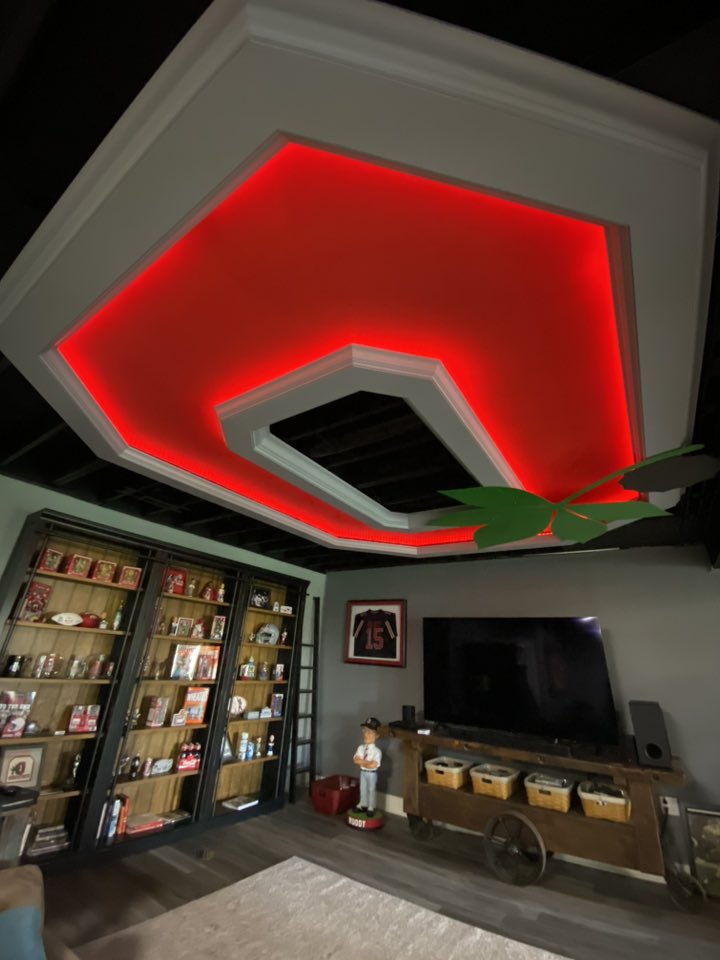
Lighting is another crucial factor in color psychology. Natural light brings out the true colors in a room, enhancing the overall effect. Adequate and well-positioned artificial lighting can help maintain the desired ambiance during night-time or in spaces with limited windows. Be mindful of how lighting alters the appearance of color and adjust your design accordingly to maintain harmony.
Our team at Full Circle Design emphasizes the importance of personal preference. While color psychology provides a guide, your personal comfort with certain colors cannot be understated. Your space should reflect who you are and meet your lifestyle needs. Our designers work closely with clients to ensure every room embodies both functional purpose and personal taste.
Finally, remember that trends come and go, but the emotional impact of a color stays constant. Thus, when designing with color, the goal is to create a timeless yet dynamic space that can adapt to future changes in preferences or needs.
By understanding and utilizing color psychology, Full Circle Design helps you create spaces that are not only visually appealing but also emotionally and psychologically beneficial. Whether you're remodeling a single room or undertaking a larger construction project, consider how the colors you choose can enhance your environment and improve the quality of your daily living.
Incorporating these insights into your next design project with Full Circle Design can ensure your home isn’t just beautiful, but harmonious and attuned to your emotional well-being. Let's transform your space into the perfect reflection of peace and inspiration.